The Strength of Yumine
ASEAN Overseas Factory Strategy
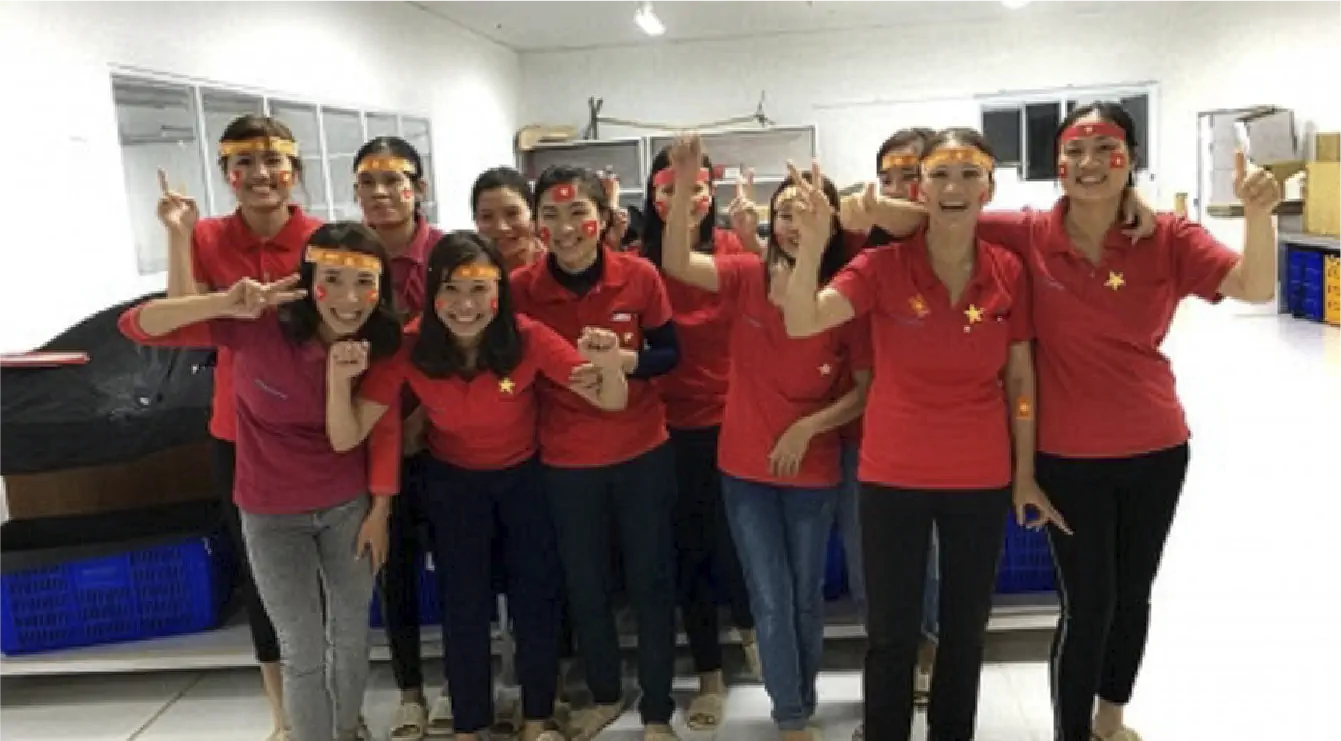
Providing employment opportunities in regions where job availability is limited
In 1992, we began overseas production centered in China with the establishment of a joint venture factory in Nantong. However, as China’s economy has developed, its cost competitiveness has declined.
Today, competing on cost in China has become increasingly difficult, and production there is now focused on high-difficulty and high-value-added products that cannot be manufactured in Japan.
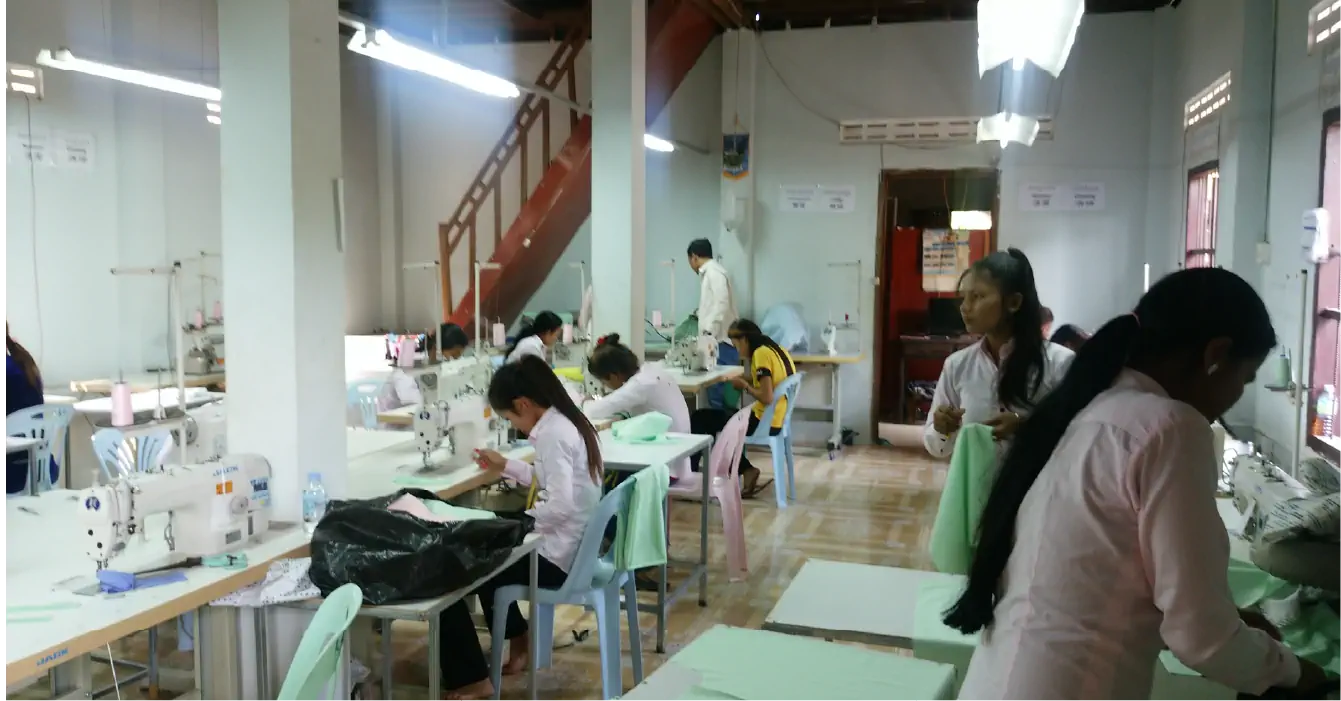
Earning the support of the local community
Meanwhile, in ASEAN regions beyond Vietnam, minimum wages are also being raised frequently, just as they are in Vietnam. At our first factory in Vietnam, local wage levels have risen above those designated by the government, making it increasingly difficult to attract workers.
In response to this environment, we established our second factory in a different region. This second factory is located in a rural area with a population of 280,000 and very limited employment opportunities. As a result, many local residents had been forced to seek work in cities or overseas. With the establishment of our factory, however, we have been able to attract and employ a significant number of people from the local community.
While economic development is a goal for every country, it is no longer viable to base strategy solely on the pursuit of low labor costs. Regional disparities exist within every country—including China and Vietnam—and these differences must be carefully considered.
In formulating our factory strategy, while country selection is important, we place even greater emphasis on regional factors. By providing employment opportunities in areas where jobs are scarce, we earn the support of local communities and establish a sustainable presence as a company.